
Bar Harbor Transfer Station Evaluation
Town of Bar Harbor, Maine
2024-2025
SME SERVICES
Comprehensive evaluation and planning services; operational assessment; financial modeling; infrastructure evaluation; strategic waste reduction planning; community engagement
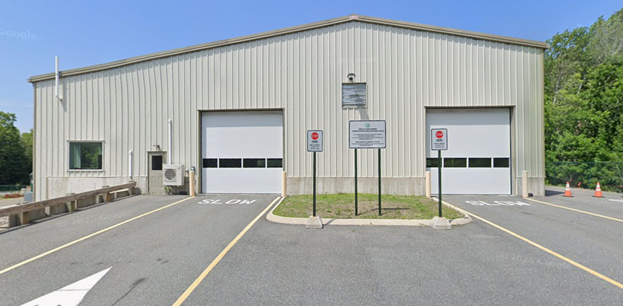
SME conducted a comprehensive evaluation of the Bar Harbor Transfer Station to identify operational, financial, and diversion-related challenges affecting disposal costs and system efficiency. The assessment revealed difficulty verifying that all waste, particularly from commercial haulers, originated within Bar Harbor, increasing the likelihood of out of town waste contributing to higher municipal disposal costs. Rising recycling expenses, driven by single sort recycling, were also identified as a disproportionate share of total disposal costs despite their environmental benefits. In addition, the Town was missing key diversion opportunities: food waste accounted for approximately 29% of the waste stream, cardboard storage practices reduced its market value, and no formal system existed to capture the value of redeemable bottles and cans.
To address these issues, SME reviewed operational documents, disposal and tonnage data, site conditions, and comparable municipal programs, and conducted interviews with regional operators. The analysis evaluated multiple funding and pricing models, including Pay as You Throw (PAYT), tipping fees, hybrid systems, and permit fees, quantifying their fiscal and operational impacts for the first time and tailoring recommendations to Bar Harbor’s seasonal population, infrastructure constraints, and financial goals.
Through this process and close coordination with the Town, SME identified PAYT as the most effective strategy for reducing MSW tonnage, generating revenue, discouraging unauthorized waste disposal, and creating equity for residents, while recognizing that commercial haulers may require alternative fee structures. The project also delivered practical, implementable solutions to increase diversion, including a food waste drop off program, a bottle and can donation station, improved cardboard protection, and guidance on future infrastructure investments such as scale installation and traffic flow improvements. The resulting roadmap provides the Town with both immediate and long term strategies to reduce costs, enhance sustainability, and improve overall transfer station operations.