
Whitten Brook Watershed Plan Update
Town of Skowhegan, Maine
2024 - 2026
SME SERVICES
Civil engineering design, site design, hydrologic and environmental review, HydroCAD stormwater modeling, boundary and topographic survey, permitting, and stakeholder relations
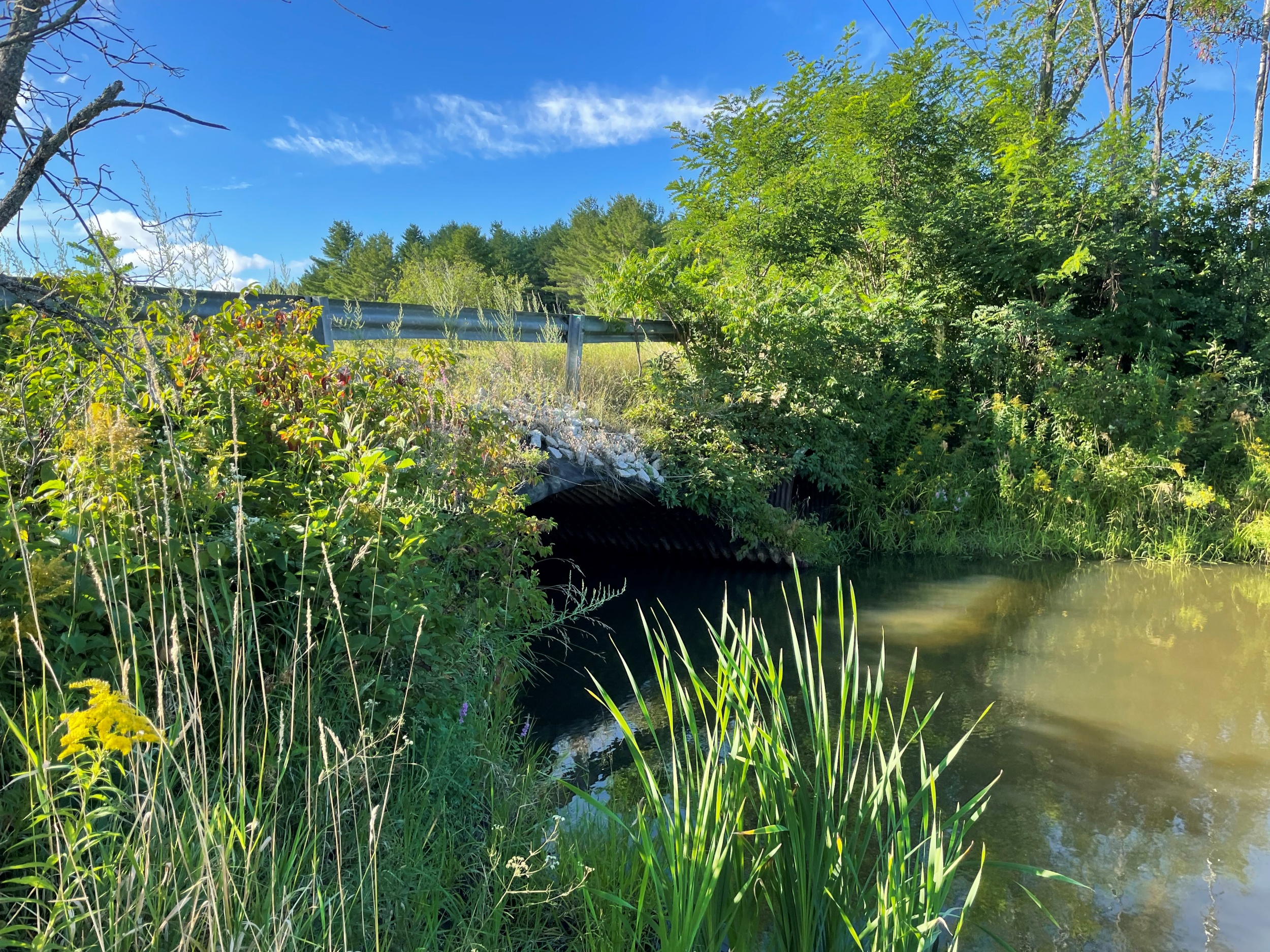
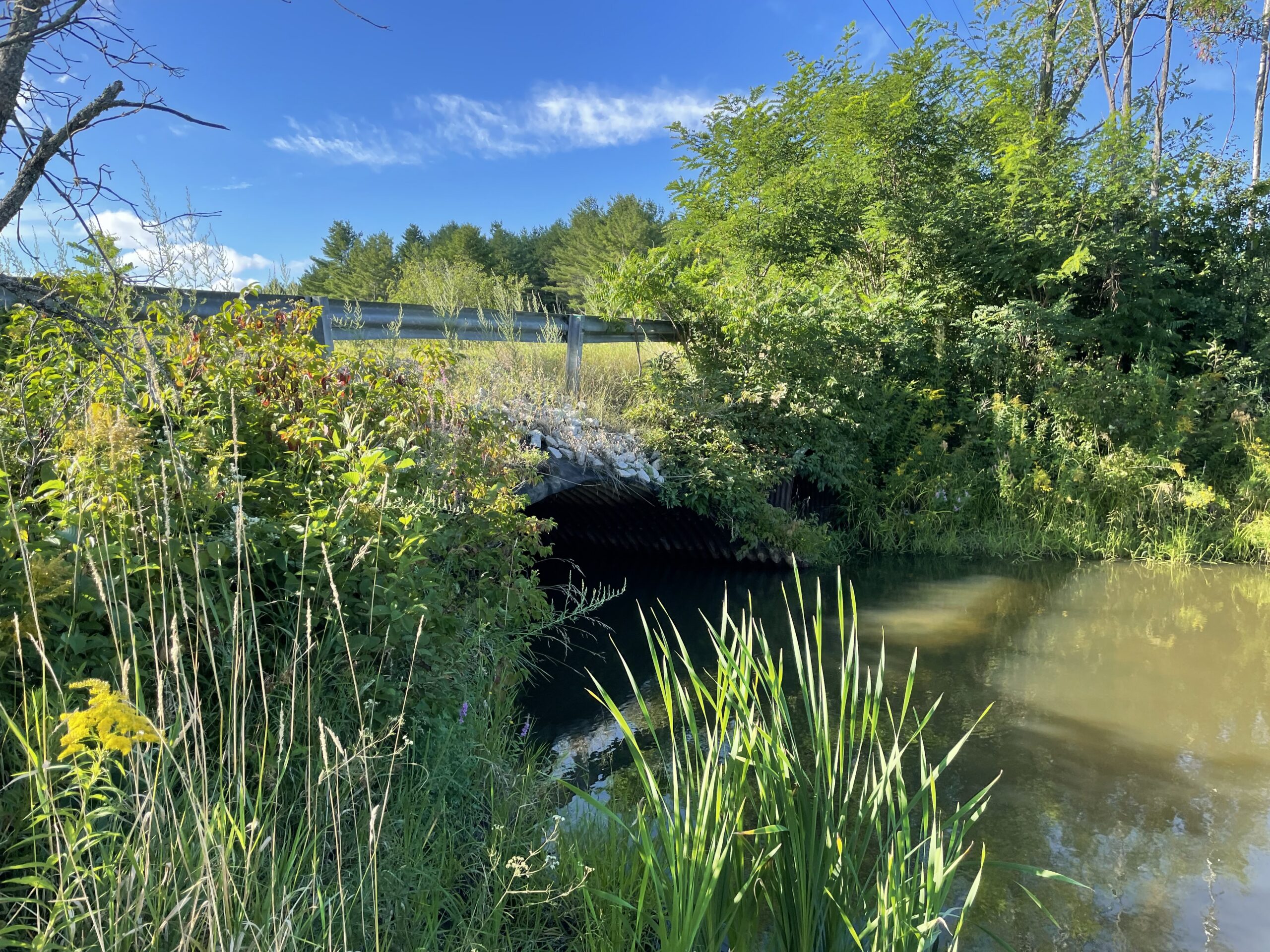
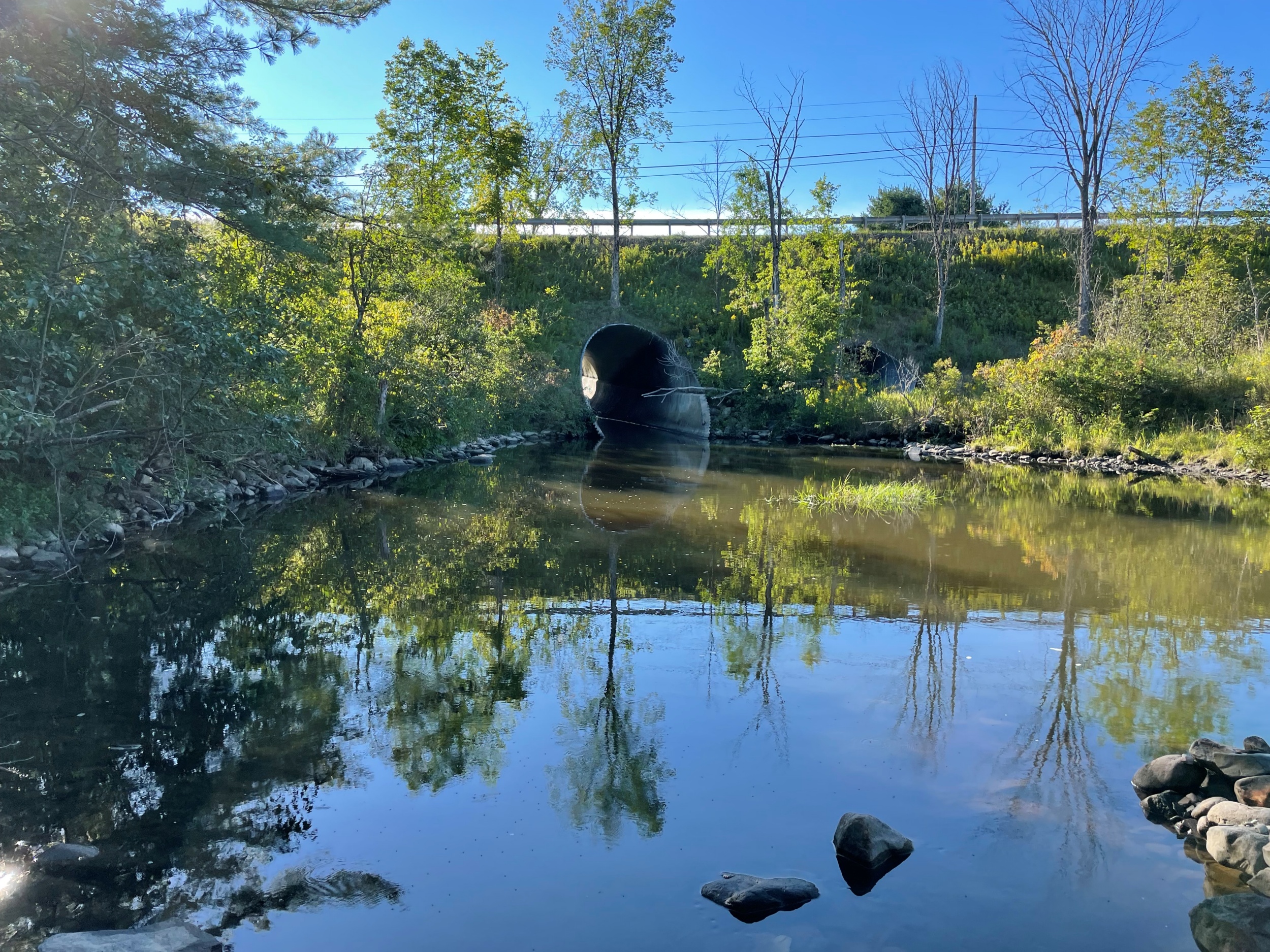
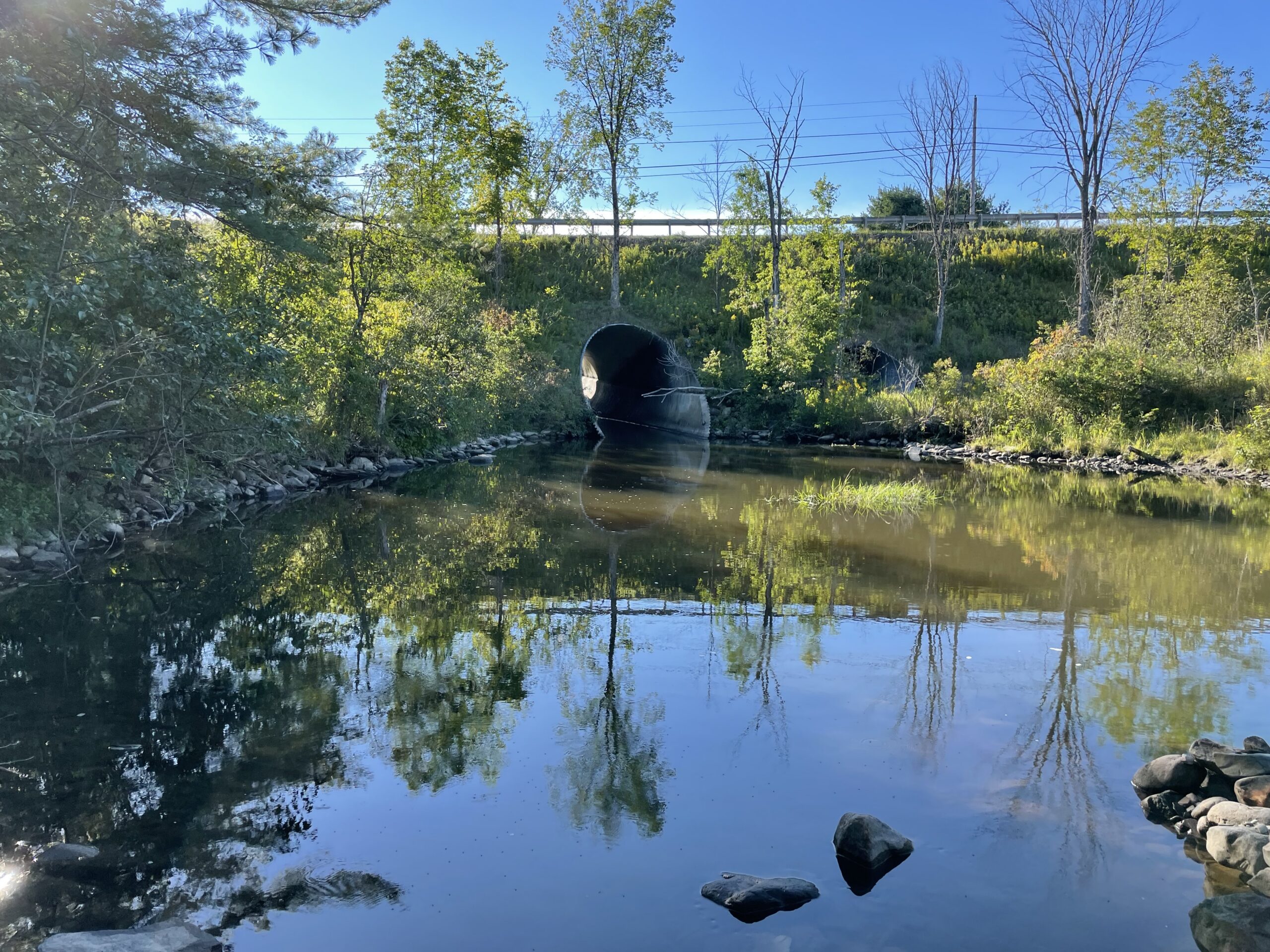

Whitten Brook is a small stream that runs through downtown Skowhegan, parallel to Madison Avenue, and into the Kennebec River. Due largely to pollution from stormwater runoff, the brook – classified as an urban impaired stream – did not meet Maine water quality standards for bacteria, aquatic life, and habitat.
Challenges
An update to the Whitten Brook Watershed Restoration Plan sought to make stormwater management improvements with a 604(b) grant from the Maine Department of Environmental Protection. The existing stormwater infrastructure needed significant improvements to effectively manage peak flows and improve water quality.
Seasonal variations in stormwater runoff were considered, particularly the high salt concentrations in runoff during winter months due to road treatments. This required designing a flexible system that could adjust to different seasonal conditions to minimize infiltration into the groundwater. SME evaluated various options for retrofitting the stormwater system, each with its own set of complexities and costs. Balancing these factors to select the most effective and feasible solution was a key challenge.
Project Outcome
SME designed modifications to the proposed Upper Madison Avenue detention basin and stormwater catch basins to help mitigate the effects of impervious cover and restore the stream to a more natural and healthy condition that better supports biodiverse habitat.
SME developed a hydrologic model of the watershed to determine peak stormwater flow rates which were then compared with preliminary calculations of a limited area completed previously by the Maine Department of Transportation. Based on the findings, SME identified and evaluated three options to retrofit the stormwater system: 1) increase the berm elevation, 2) convert the detention basin into a wet pond, or 3) convert the basin into a gravel wetland.
Modifying the berm height was selected as the best option to reduce peak flows and improve water quality treatment, based on budget, ease of operation, and maintenance. SME developed a design to increase the berm elevation by 24 inches, install a new outlet structure, and add a diversion manhole with gate valves to regulate stormwater discharge. SME prepared a Preliminary Design and Basis of Design Report and concept drawings, including existing conditions and demolition plan, site layout and utility plan, site grading, drainage and erosion control plans, site sections and details including climate change factors. SME also recommended additional water quality measures, such as a reduced salt use plan and an inflow and infiltration study to further enhance stormwater management.